


What happened?
President Trump’s 12-hour truce unraveled almost immediately. According to Israeli Defense Minister Israel Katz, two Iranian ballistic missiles were fired at Israel in "a blatant violation" of the deal. This prompted the Israel Defense Forces (IDF) to begin "high-intensity operations in the heart of Tehran." One missile struck an apartment building in Beersheba, killing four people and wounding at least 22, according to Israeli emergency services. Brent crude initially dipped on the news of the ceasefire but rebounded as traders reassessed supply risk.
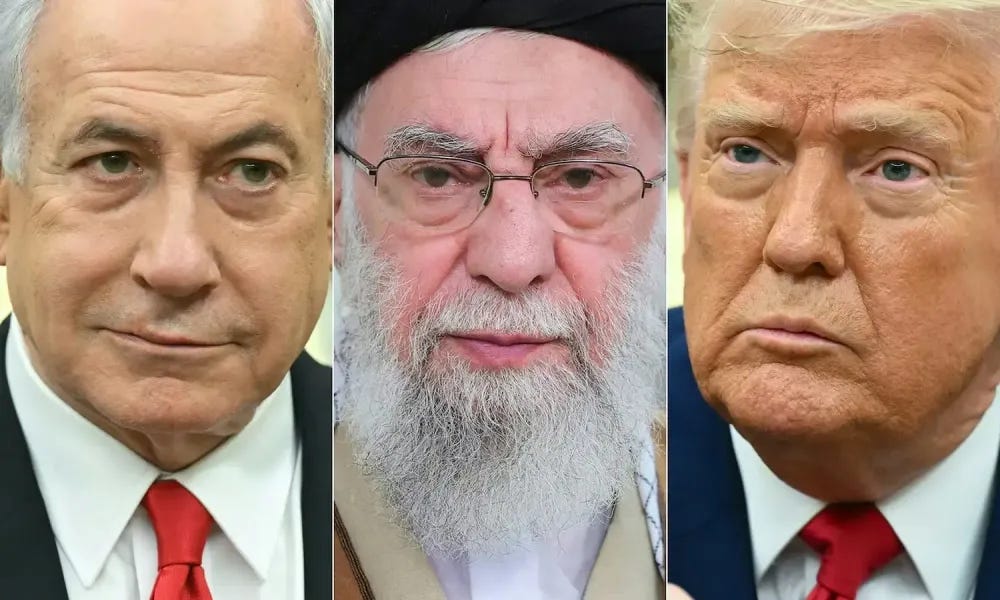
Source: Saul Loeb/AFP/Iranian Supreme Leader's Website/AFP via Getty Images
Why does this matter?
Ceasefire credibility gone: The speed with which the ceasefire broke down signals that any future "pause" will be met with deep skepticism.
Escalation ladder: Israel vows retaliation, and Iran threatens to increase uranium enrichment beyond 60% and expand proxy attacks.
Sticky inflation risk: Sustained conflict could raise oil and shipping costs again as central banks prepare to cut rates, complicating global disinflation efforts.
What's next?
Israel is expected to expand its air and cyber strikes on IRGC command nodes. Tehran will likely respond by launching missiles from its territory and through proxies in Lebanon, Syria, and Iraq. Internally, the Iranian regime appears to be consolidating its power rather than weakening, with elite factions rallying around the leadership. EU and Gulf mediators are drafting a monitoring plan, though they admit that a verification mechanism does not yet exist.
finformant view
The rapid collapse of the Trump-brokered ceasefire confirms that neither side can impose lasting restraint. Until a verifiable mechanism emerges, ceasefire headlines will be meaningless. Expect a cycle of strikes, proxy attacks, and energy market volatility.